
 Fast Delivery
 Made To Measure
 Customer
Support
Customer
SupportWhat is an LED Strip? |
| LED strip lighting is fast becoming one of the most popular lighting solutions for homes, businesses, and gardens. It’s actually very simple, but very clever. An LED strip consists of a self-adhesive backing to which LEDs are placed at regular intervals. The most common LEDs per metre are 30, 60 and 120. Once it’s connected to a driver, the whole strip is then illuminated to produce a forward light that is truly timeless. Some of you may hear the word LED and think £££, however, they are actually very affordable, reduce your carbon footprint and save you money on all important adult things like bills. |
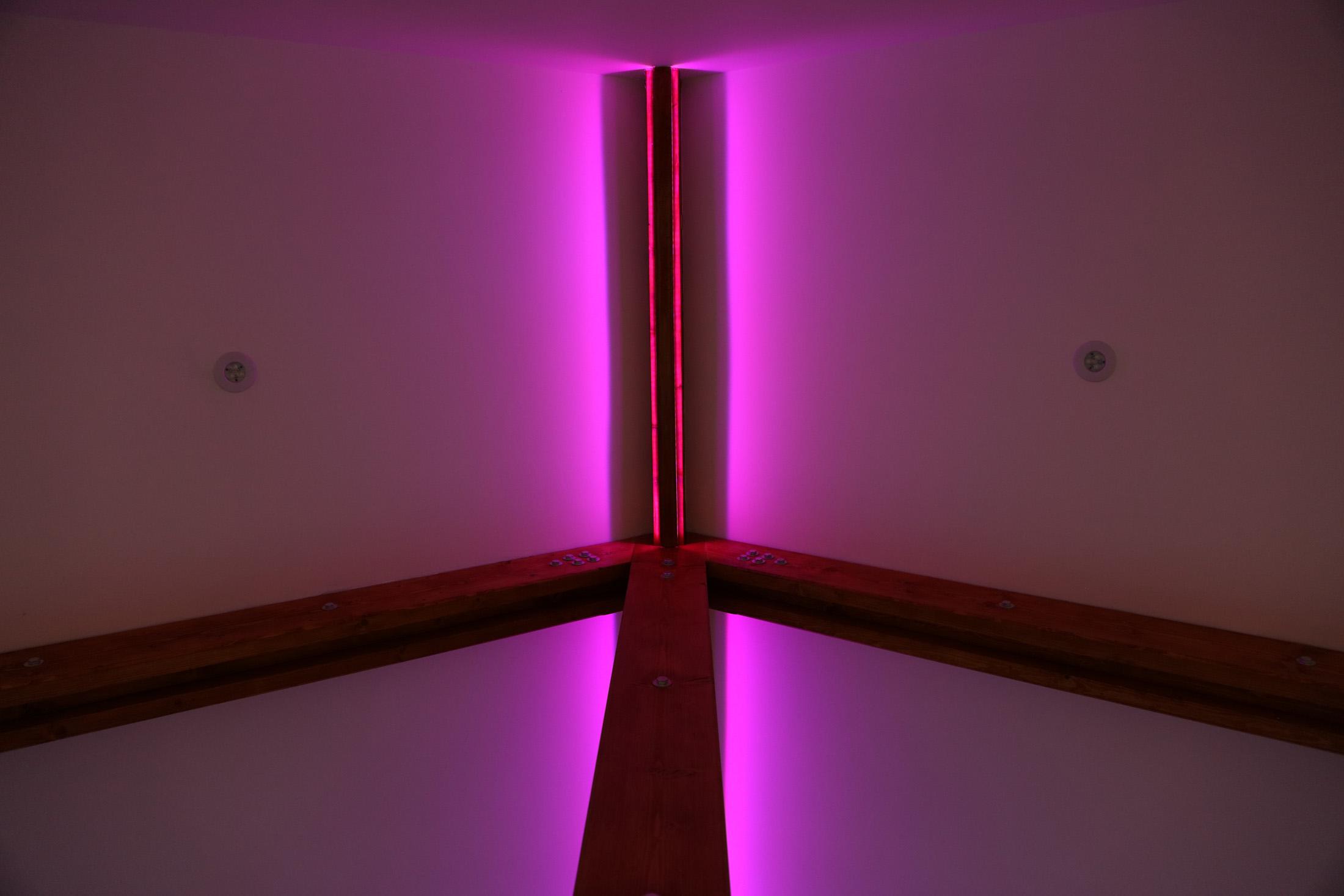
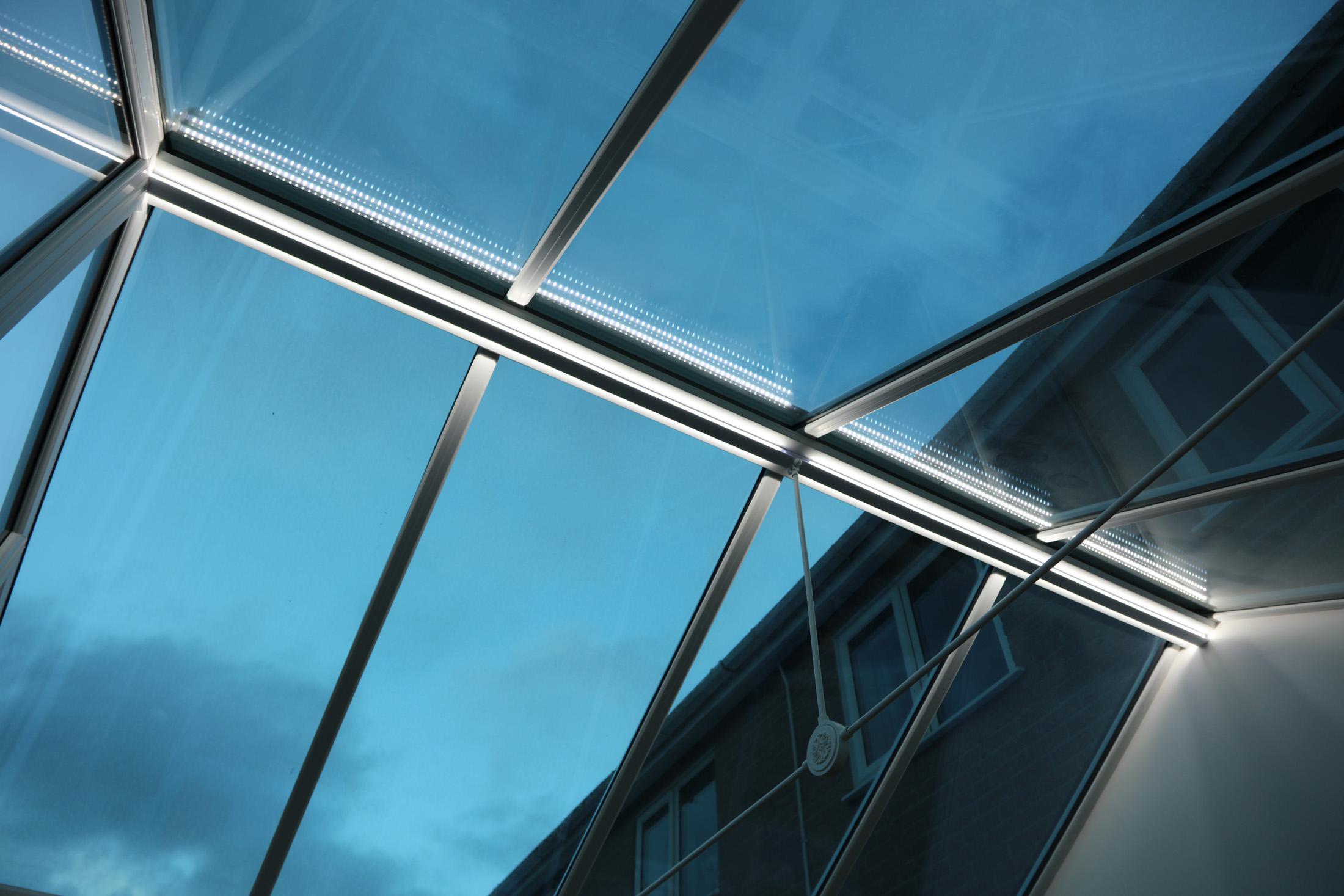
| What makes this style of lighting so popular is its endless possibilities. Strip lighting can be bent around furniture, fitted behind TVs and even around swimming pools. There are millions of different colour options from standard white to colour changing and digital pixel tape that will leave you amazed. The numerous levels of brightness, colour options and wattages make LED strips very versatile – but we’ve narrowed it down to some of the most common uses of the LED tape: |
|
 |  |
Things to Consider Before Choosing LED Tape |
|
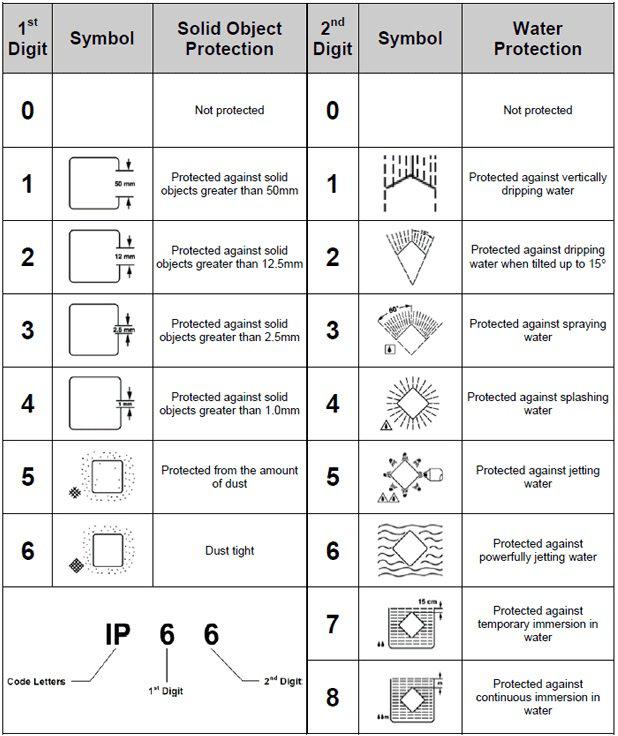
IP Ratings Explained |
| IP20/IP33 – This IP Rating is not waterproof! Typically it can be used anywhere indoors such as ceiling coves, bedrooms, display cabinets, wall washers and living rooms. Wherever indoors you choose an IP20 or IP33 rated tape, it should be dry and dust free. Not suitable for use in bathrooms! |
| IP65 – When it comes to standard lighting, you may hear IP65 is more than suitable for outdoors – true. However, with LED strip it is very different. We recommend using IP65 rated tape in bathrooms, kitchens or where it may come into contact with slight water. |
| IP67 – We only recommend using LED tape outdoors with an IP67 rating or higher. The lighting is protected against water ingress with a silicone gel which covers the LED chips. Perfect for use in gardens, paths, and driveways. |
 |
Getting to Know the Basics |
|
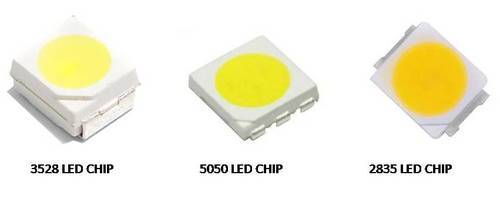
LED Chip Types |
| LED Chip | Width(mm) | Length(mm) |
| 2835 | 2.8 | 3.5 |
| 3528 | 3.5 | 2.8 |
| 5050 | 5 | 5 |
 |
Recommended Use for Different LED Chips |
| 3528 – The ‘middle man’ 3528 LED chip is the most common type of chip used in LED strip lighting. It provides a subtle light ideal for many domestic installations. Suitable for task or ambient lighting where people may be close to the light. Also perfect for ceiling coving, stairs and around windows. |
| 5050 – This is the largest of the 3 chips most commonly used in LED tape. It’s usually around 40% larger than the 3528 diodes and has a higher light output. That’s why we recommend using this type of strip lighting for commercial or domestic lighting. Perfect for high ceilings, outdoor lighting or covering a larger area. |
How the Number of LEDs Per Metre Effect the Lighting |
| It might not seem that important how many LEDs there are per metre on your strip light, however it can completely change the light output including brightness and lumens. We’ve included some of the most common ones below, and given a guide for where you may want to use what strip. |
| 30 LEDs – If you are looking for a soft ambient glow, 30 LEDs per metre is the perfect tape. Use in kitchen kick plates or low ceiling coves. |
| 60 LEDs – With double the amount of LEDs per metre as the 30, this tape is much more suited for task lighting, bar tops, stairs, doorways and under kitchen cabinets. |
| 120 LEDs – Typically used in high ceiling coves, outdoors, paths, driveways and signage. |
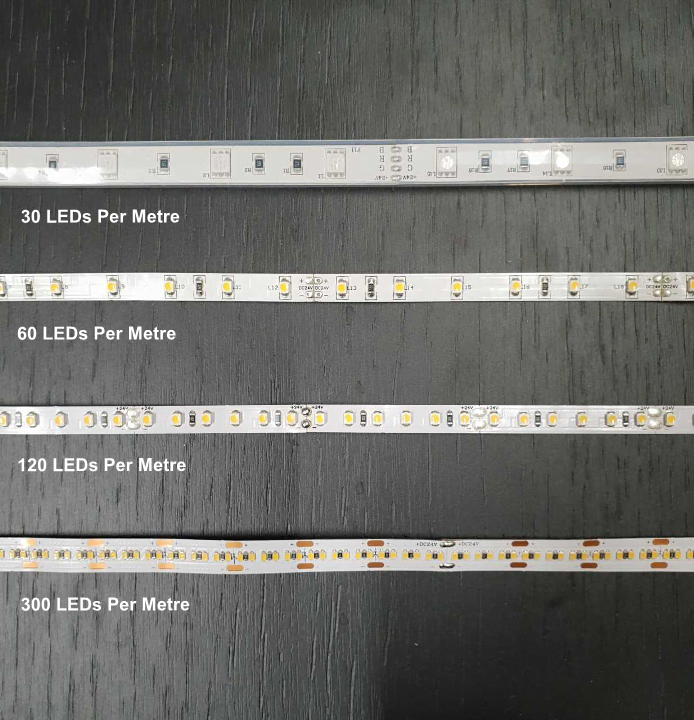 |
Choosing the Right Power Supply |
| Now you’ve got to know all about the LED strip lighting itself, you have to know a little about how to power it. You need to convert the mains 240V to either 12 or 24V, and this is where our drivers come in. We list a wide range of transformers that will convert the voltage from 4W all the way up to 200W. The specification of the driver you will need all comes down to the total amount of wattage of the strip you are trying to power. For example, if you are running 5 x metres of 9.6W LED strip, you will need a driver 52W and above. The driver must always be at least 10% higher than the total wattage required. |